
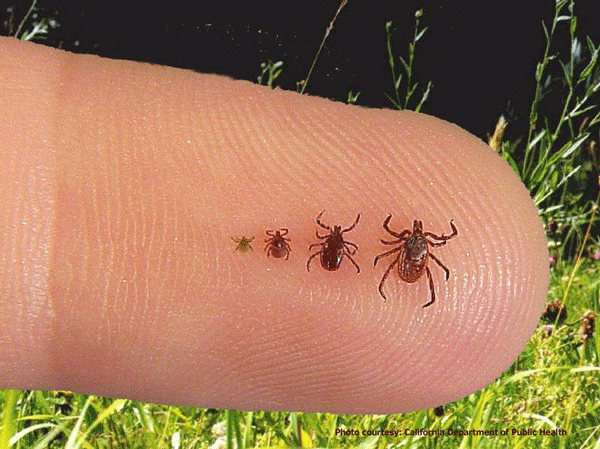
Ticks and Lyme disease
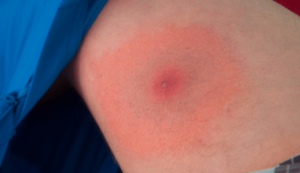 One of our members returned from the allotment on Saturday and noticed a tick on his arm. After removing it the area swelled and a hard lump developed under the bite and bruising around the area. Over the next few days it became worse and very itchy. On Thursday the GP decided to give him a 3 week course of antibiotics as he suspected the tick was infected with Lyme Disease. The picture attached is the type of swelling that can occur with Lyme Disease – the classic bull’s-eye rash will develop around the bite.
Do watch out for bites and ticks.
Not everyone with Lyme disease gets the rash. Some people also have flu-like symptoms in the early stages, such as:
- a high temperature, or feeling hot and shivery
- headaches
- muscle and joint pain
- tiredness and loss of energy
Only a small number of ticks are infected with the bacteria that cause Lyme disease.
A tick bite can only cause Lyme disease in humans if the tick has already bitten an infected animal.
But it’s still important to be aware of ticks and to safely remove them as soon as possible, just in case.
Ticks that may cause Lyme disease are found all over the UK, but high-risk areas include grassy and wooded areas in southern England and the Scottish Highlands.